Harnessing the Power of Green Energy for a Sustainable Future
Introduction to Green Energy
Green energy, a term often used interchangeably with renewable energy, refers to energy derived from natural sources that are replenishable and have a minimal impact on the environment. The growing emphasis on green energy is driven by the urgent need to combat climate change and reduce the carbon footprint associated with traditional fossil fuels. This article aims to explore the different facets of green energy, its benefits, and its role in shaping a sustainable future.
Types of Green Energy
Green energy encompasses a variety of sources, each with unique characteristics and benefits. The most common types include:
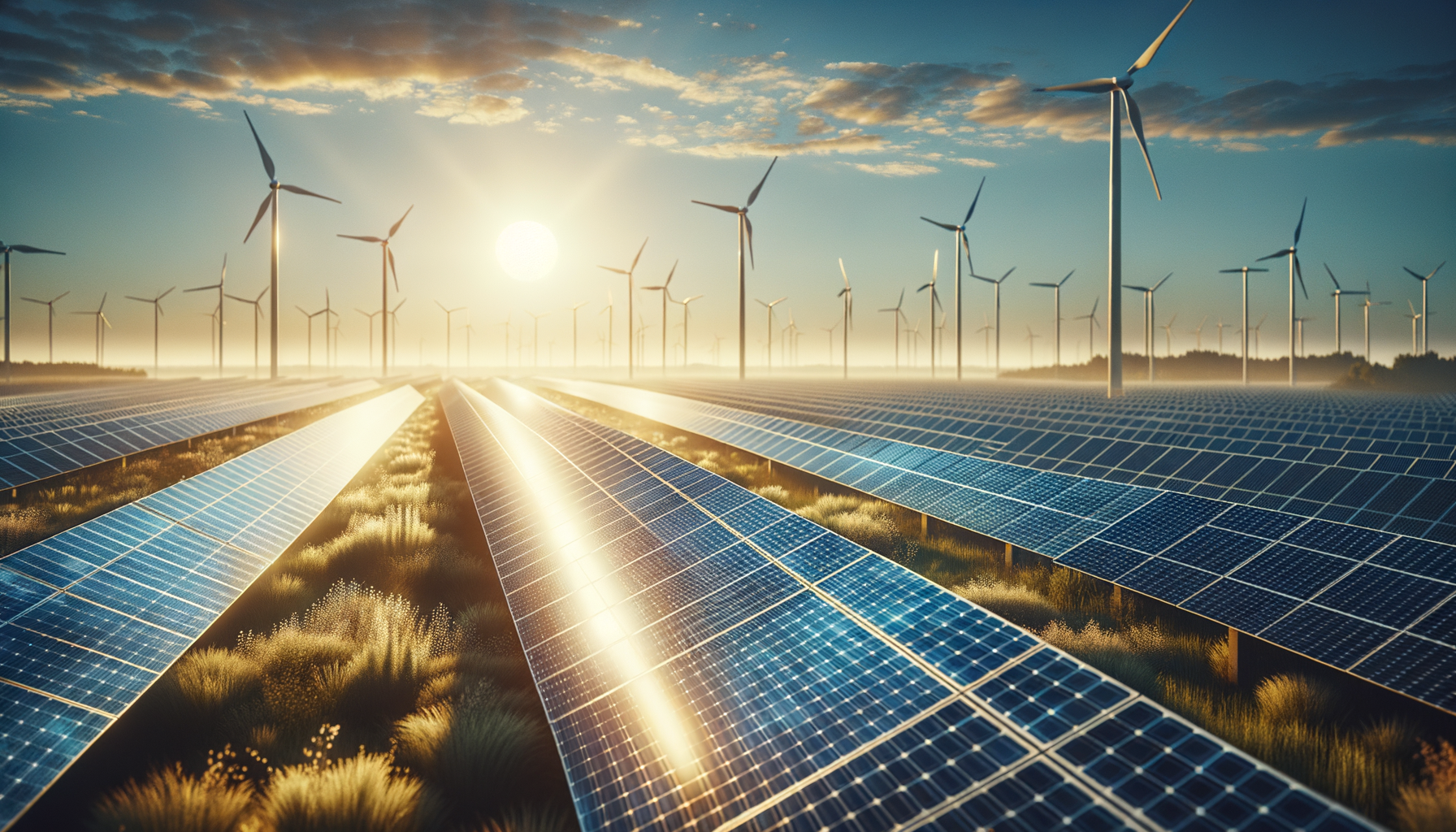
- Solar Energy: Harnessed from the sun using photovoltaic cells, solar energy is one of the most abundant and accessible forms of green energy. It is widely used for residential and commercial electricity generation.
- Wind Energy: Generated by converting wind currents into electricity using turbines, wind energy is a rapidly growing sector, especially in regions with high wind speeds.
- Hydroelectric Power: This involves using flowing water to generate electricity, typically through dams. It is one of the oldest and most established forms of green energy.
- Geothermal Energy: Utilizing heat from the earth’s core, geothermal energy is a reliable and consistent energy source, predominantly used for heating and electricity generation.
- Biomass Energy: Derived from organic materials, biomass energy is used for electricity, heat, and biofuel production.
Each of these sources plays a crucial role in the transition towards sustainable energy systems, offering diverse solutions to meet global energy demands.
Benefits of Green Energy
Adopting green energy offers numerous advantages, both environmentally and economically. Key benefits include:
- Environmental Impact: Green energy sources produce little to no emissions, significantly reducing air and water pollution, and mitigating climate change effects.
- Energy Security: By diversifying energy sources and reducing dependence on imported fuels, green energy enhances national energy security and stability.
- Economic Growth: The green energy sector is a major driver of job creation, fostering innovation and investment in new technologies and infrastructure.
- Cost Efficiency: As technology advances, the cost of green energy systems continues to decrease, making it increasingly competitive with traditional energy sources.
These benefits underscore the importance of investing in green energy solutions to ensure a sustainable and prosperous future.
Challenges and Opportunities in Green Energy
While green energy presents vast opportunities, several challenges must be addressed to fully realize its potential. Challenges include:
- Intermittency: Some green energy sources, like solar and wind, are dependent on weather conditions, leading to variability in energy supply.
- Infrastructure: The transition to green energy requires significant investment in new infrastructure and technology development.
- Policy and Regulation: Effective policies and regulations are needed to support green energy development and integration into existing energy systems.
Despite these challenges, the opportunities for innovation and collaboration in the green energy sector are immense, paving the way for a cleaner, more sustainable energy future.
Conclusion: The Future of Green Energy
The transition to green energy is not just an environmental imperative but an economic opportunity. By investing in green energy technologies, countries can reduce their carbon footprint, enhance energy security, and drive economic growth. The journey towards a sustainable energy future requires collaboration across sectors, continued innovation, and supportive policies. As we harness the power of green energy, we move closer to achieving a sustainable and resilient global energy system.